- Analytics
- Trading News
- Why Washington Is Buying Back Its Own Debt
Why Washington Is Buying Back Its Own Debt
Yields Are Rising Just When the White House Needs Them to Fall.
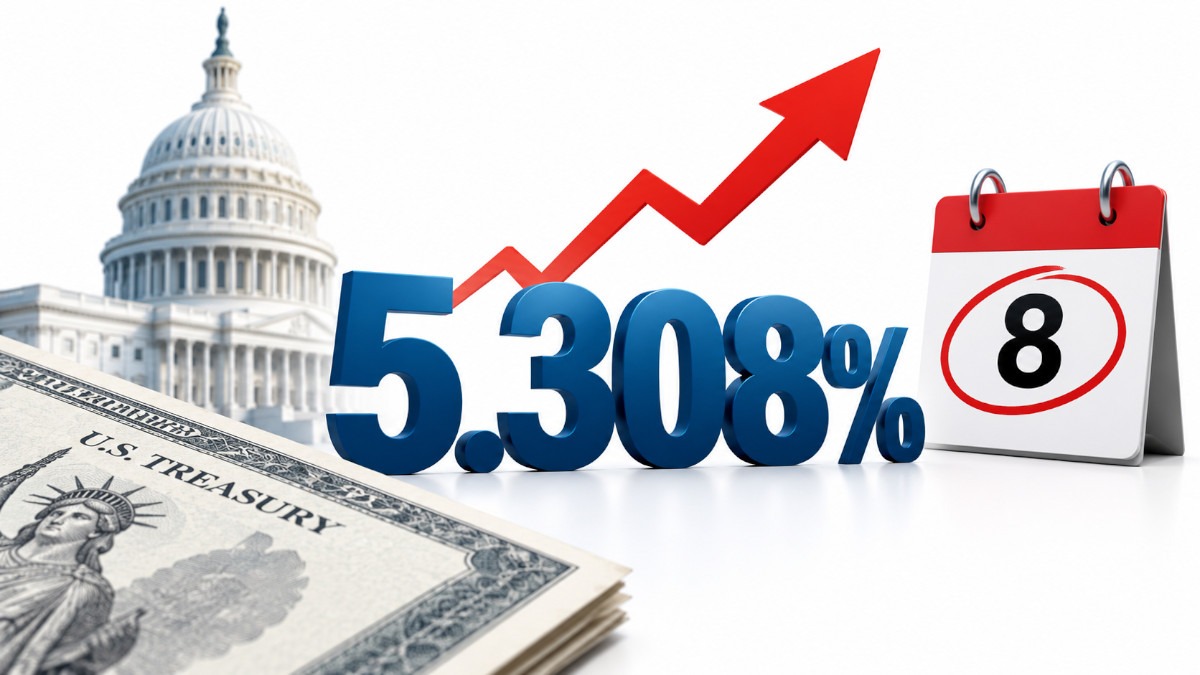
Trump administration has been promising to make things more affordable both for the government and for regular people. But bond yields, which are supposed to be going down, are actually going up.
Treasury yields set interest rates for the whole economy and when they go up, it costs the government more to borrow money and it also costs you more. Mortgages get pricier, business loans get pricier, even your car loan or credit card rate can slowly go higher over time. And with midterm elections coming, higher borrowing costs are exactly the kind of thing the administration doesn't want voters feeling in their wallets.
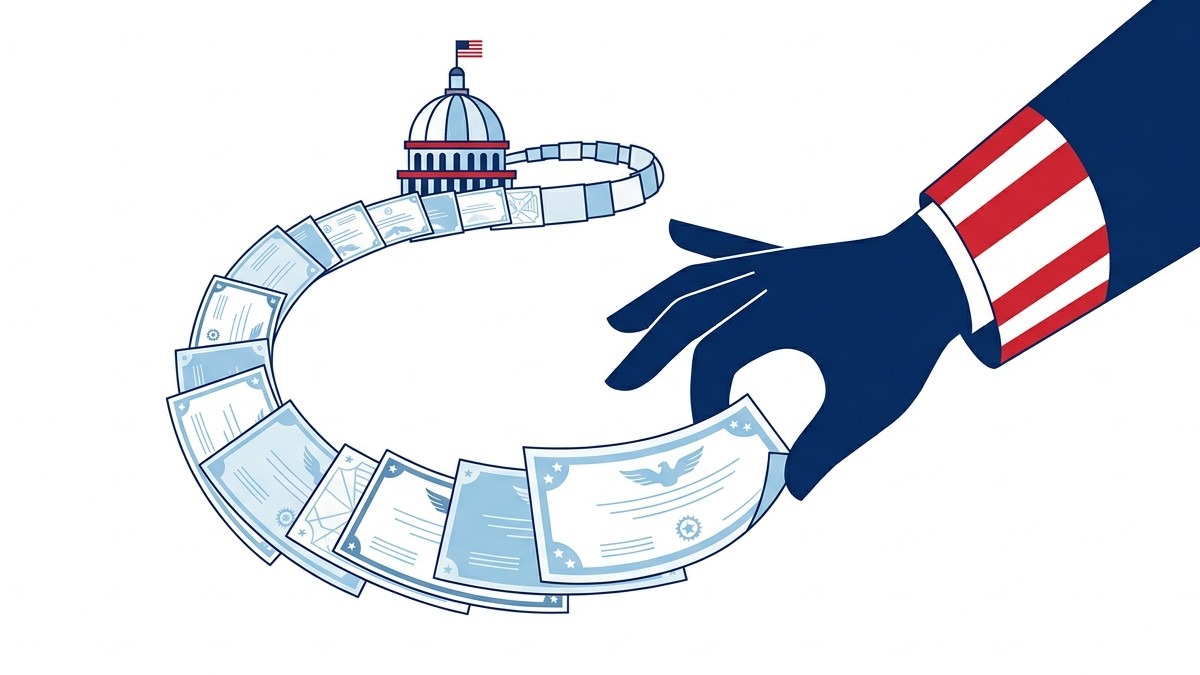
So Treasury Secretary Scott Bessent is reaching for a tool the government hasn't really used in decades: buybacks.
A buyback is pretty much what it sounds like, government buying back bonds it already sold to investors. That helps lower rates, basic supply and demand. When Treasury goes into the market and starts buying up its own bonds, that is extra demand, and extra demand pushes prices up. Bond prices and yields move in opposite directions, so when prices go up, yields go down.
Treasury announced last week that it's expanding how much long-term debt it's allowed to buy back this way. So far, yields dropped right after the announcement, then mostly went back up by the end of the week, then dipped again Monday as investors tried to guess Bessent's next move.
Where the Money Comes From
Treasury isn't paying for these buybacks with cash it has lying around, it pays for them by issuing new debt. So really, this is more of a swap than an actual paydown.
Specifically, the plan is to cover the cost by selling more short-term bills — debt that comes due in a year or less. One analyst figures that adds about $16 billion a quarter in extra short-term borrowing. The total amount the government owes stays the same either way; what changes is the mix of more short-term debt, less long-term debt.
This isn't really a new strategy, either, since day one of this administration, Treasury has been steering almost all new borrowing into short-term bills specifically to keep long-term yields from climbing. Funny enough, Bessent used to slam his predecessor, Janet Yellen, for doing basically the same thing and now he's running the same playbook himself.
Treasury is Trading One Problem for Another
Leaning on short-term debt means more of the government's finances depend on short-term rates, which bounce around a lot more (war, a pandemic, tariffs etc.) can move them fast. Short-term rates are also much more tied to whatever the Fed decides to do, and some Fed officials have talked about raising rates to fight inflation. So basically, Treasury is trading one problem (high long-term yields right now) for another (more exposure to sudden rate swings down the road).
Does It Work? Kind of, but only a little
Even once Treasury doubles its weekly buybacks to at least $4 billion starting in September, that's a drop in the bucket compared to the Treasury market as a whole - $30 trillion market that trades over $1 trillion every single day. So on paper, this looks more like a symbolic move than something that actually moves the needle.
That said, it can matter more if the buying is focused on one specific type of bond. For example, if all the buybacks went toward 20-year bonds specifically, that could cut new issuance of that bond by almost 40% — which is a real difference for that corner of the market.
Treasury tends to buy back older bonds rather than the newest ones. Investors usually prefer newer bonds, so older ones trade at a slightly higher yield. By buying up those older bonds and taking them out of circulation, Treasury nudges that extra yield down a bit.
There is another way Treasury could pay for buybacks without issuing new debt: just spend down its existing cash pile, which sits in Treasury General Account, basically the government's checking account, filled by tax revenue, bond sales, and other income.
Bessent has actually built that account up a lot, it's now at $954 billion, compared to an average of $750 billion during Biden's last year in office. In theory, Treasury could drain that account to fund buybacks without selling any new bonds at all, buying itself some time, until the account needs refilling and it's back to borrowing anyway.
The Bottom Line
Put it all together and you get a Treasury Department trying to manage an awkward, politically inconvenient problem with tools that only go so far. Buybacks can take some of the edge off long-term yields, and steering new debt toward short-term bills can avoid spooking the rates people actually notice. But none of this shrinks the government's overall debt and both moves come with a trade-off - lower yields now, in exchange for more risk if short-term rates suddenly jump later.
New powerful tool, US Dollar Index Technicals
New powerful tool, US Dollar Index Technicals
Live Technical Analysis with instant forecast using most popular indicators and oscillators.
Try Now

If you don’t find a way to make money while you sleep, you will work until you die.- Warren Buffett